New survey from Vauxhall reveals UK tradespeople can use morning stops to charge an electric van for the working week.
For many considering the switch to electric, there’s a mindset shift needed. While driving an electric van might be very similar to driving a diesel, the way you approach refuelling can be quite different. For many, range is an issue, but with a mindset shift, it might not be as big a change as you think.
New research from Vauxhall suggests that the daily routines of UK tradespeople already align neatly with the charging needs of electric vans. The data shows the average tradesperson racks up 191 miles each week on customer jobs, site visits, and materials runs.
For many vans, a single charge will cover that mileage. For example, the Vauxhall Vivaro Electric has around 210 miles of WLTP range, meaning most drivers can cover a full week’s workload using a single overnight charge at home or at their depot.
However, there are a number of variables that can affect when and where you need to charge. If you’re a driver who does less than 200 miles a week and you can charge at home, an electric van really is a no-brainer.
For those serving a wider area or travelling nationally, a single overnight charge won’t cut it. That’s where you need to consider your routine and whether that presents other options.
Build charging into the working day
For those travelling further, or drivers without private charging access, the survey highlights another useful pattern: tradespeople typically stop twice a week for a morning break, with 60% pausing for up to 45 minutes. That’s more than enough time for a rapid top-up.
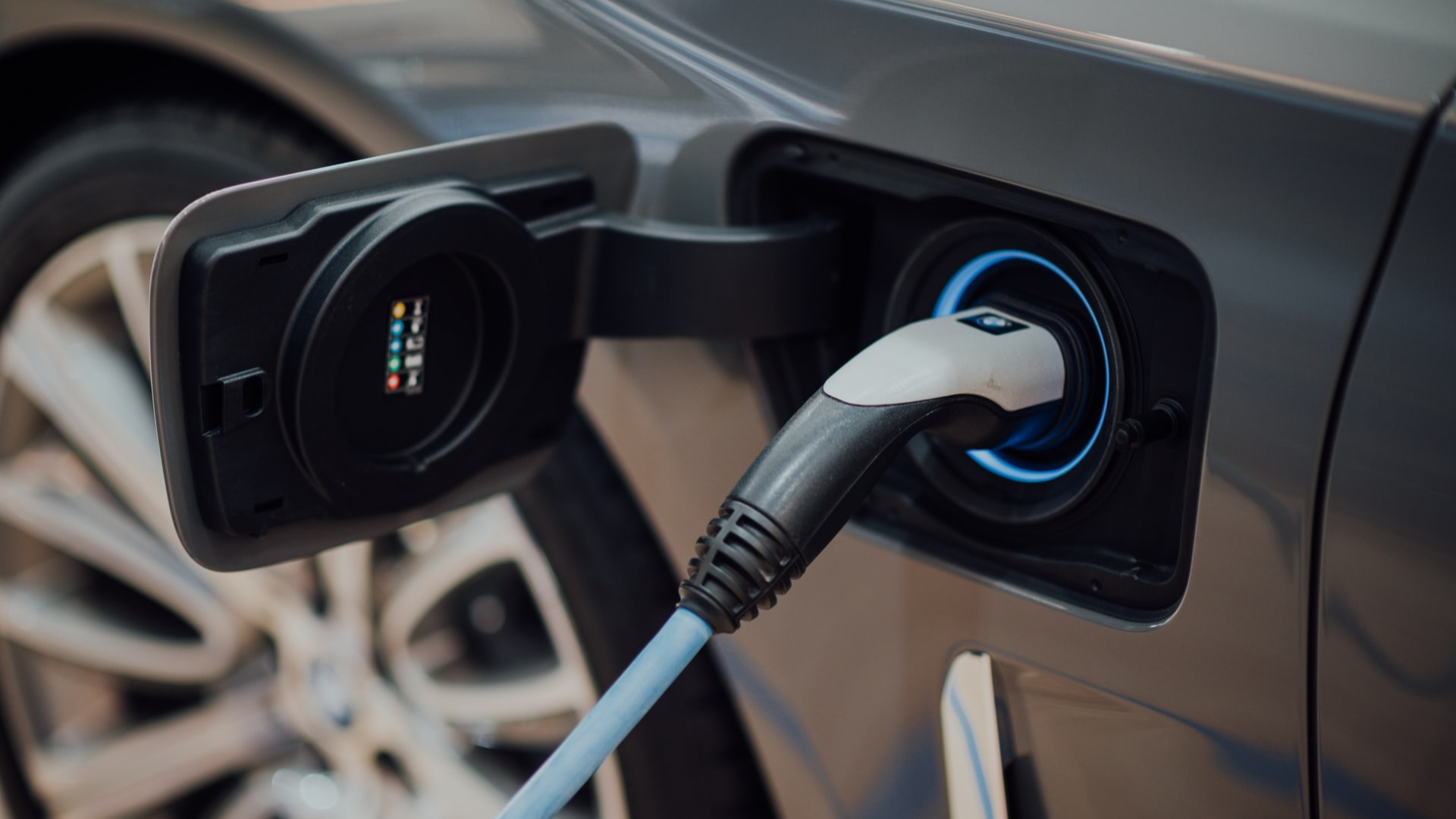
To put that in context, the Vivaro Electric can charge from 5% to 80% in 45 minutes on a 100kW rapid charger. In practice, this means charging takes place during existing downtime, without affecting billable hours.
If you’ve been thinking about an electric van but aren’t sure how you’d fit charging into your day-to-day, look at your natural breaks. Where are you stopping for a break, and how long for? It could be that these natural pauses could already serve your charging needs without additional stops.
Charge when you stop
The research also reveals a growing “at work” charging trend. Vans are often stationary for up to four hours, and 70% of electric-van drivers believe customers would allow them to plug in during this time. Three-quarters say they would offer an average £24 discount in exchange for home-charging access — and 78% have already charged at a customer’s address at least once.
This arrangement benefits both sides, with drivers topping up while they work and homeowners receiving a small saving. It also builds trust and gives commercial EV users a wider set of real-world charging options.
Commenting on the findings, Vauxhall UK Managing Director Steve Catlin said: “Our research demonstrates how electric vans can easily fit into tradespeople’s lifestyle, whether charging from home overnight, topping up from a rapid charger during a morning breakfast break, or charging while on the job.”
Support for new adopters
The UK now has more than 16,000 rapid and ultra-rapid charge points. While some areas might seem better served than others, it’s worth looking at the charging options available on your usual routes. If you have off-street parking or leave your van at a depot overnight, many van manufacturers provide a free charger as part of the vehicle sale.
With the depot charging grant in full swing, home charging grants currently available for renters and flat dwellers, plus the Electric Streets campaign from Vauxhall, working to boost on-street charging options, the options for charging are growing every month.
While those without a driveway might feel a bit hard done by, on-street charging is improving. Recent government investment, as well as campaigns from other businesses and organisations, have increased the roll-out of chargers on residential streets.
A growing electric van line-up
Vauxhall was among the first manufacturers to offer fully electric versions across its van range. More than 17,000 Vauxhall electric vans are already on UK roads, including the UK-built Combo Electric, the Vivaro Electric, and the Movano Electric, which offers up to 263 miles of WLTP range.
Add the range of vans from favourites such as Ford and Renault, plus new market entrants such as Farizon and Flexis, and there’s never been a better time to consider an electric van.
The research shows that charging isn’t the barrier many imagine. Tradespeople already have built-in windows — morning breaks, on-site downtime, and overnight parking — that line up with the needs of an electric van.
As charging options expand and electric models hit the market with better range, payload, and towing figures, driving electric will make even more sense. If you’re already considering the switch, it could be that you already have the habits to make charging a straightforward part of your weekly routine.
Contributors

Jess Shanahan (author)
Jess Shanahan is a data storyteller, journalist and speaker specialising in electric vehicles, energy and technology. She turns complex topics into stories that inspire adoption and challenge misconceptions.