The popularity of internal wall panelling shows no signs of slowing down, and customers are increasingly likely to ask tradespeople about how it can be incorporated into their renovation projects. Summa Costandi, co-founder and expert at Panels by Sofia, breaks down some of the most popular wall panel designs.
With new styles, materials and designs entering the market, being able to tap into demand and recommend the right product for each project allows installers to add more value during the planning stage.
Shaker
Shaker wall panels are a classic and are still extremely popular with homeowners. This style is made up of simple, rectangular or square-shaped frames and features a grid-like pattern that can be fitted either at full or half-height.
Shaker panelling works particularly well in period properties as it helps to highlight the traditional roots of the house. However, it can also look really effective in modern homes, as it instantly adds charm and personality to the property.
For installers:
For customers looking to add character to a plain room without making major structural changes, shaker panelling is a useful option. It’s a highly versatile option, and works particularly well in hallways, bedrooms, dining rooms and living rooms.
Beaded
Another classic design, beaded panelling is also often referred to as beadboard or bead and butt. It features a double, evenly spaced vertical V-groove with a bead in the centre and is quite an understated design that helps to highlight traditional features.
For installers:
Consider recommending beaded wall panels to customers looking for traditional detailing, particularly in country homes or period properties as it really plays into the country farmhouse aesthetic.
Tongue and groove
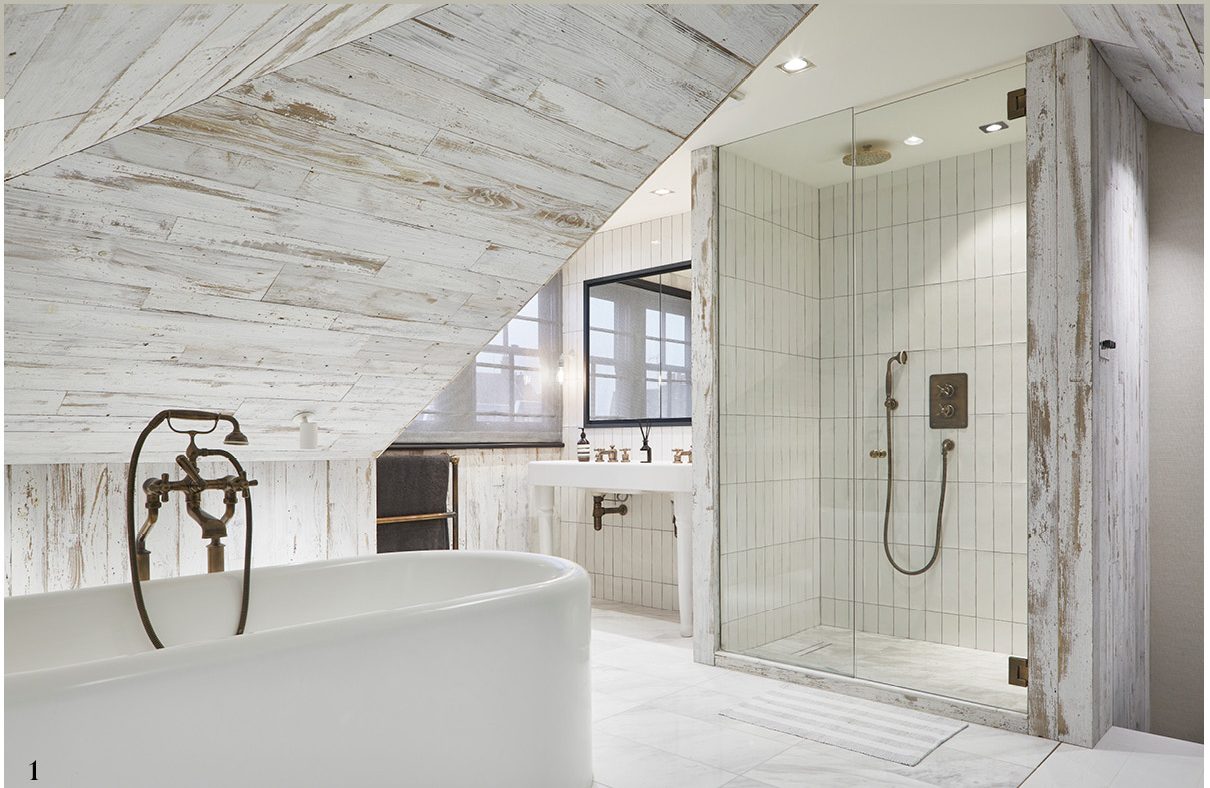
Tongue and groove panelling also features a V-groove design, but without the bead in the centre. The grooves are evenly spaced and neatly slotted together, and you’ll often find a range of dimension options available, such as wide or extra wide.
Wider designs can be a great way to open up a smaller room, while slimmer designs help the space to feel warmer and more cosy.
For installers:
Tongue and groove panels are versatile enough for both traditional and contemporary homes. Discuss how the panel width can be used to help influence the visual proportions of the room you are working with.
Ribbed and fluted
For maximum impact and added texture, ribbed panels are defined by repeating lines and rounded ridges. This design creates lots of subtle shadows, adding depth and dimension to the room.
In comparison, fluted panels are essentially the same shape but inverted. They typically have sharper, concave grooves instead of a bumpy aesthetic.
For installers:
Both ribbed and fluted designs are great options for customers looking to create a statement feature on walls or other internal features such as the fireplace, kitchen island or media unit.
Wainscoting
Wainscoting is a classic wall design feature that has been around for centuries, but it has recently seen a big revival. Traditionally, wainscoting was a practical solution and used as an installation technique to cover the lower section of a wall and protect it against damp, cold and damage from furniture.
These days, it’s used purely as a decorative feature, to add depth and architectural detail to an otherwise plain wall. Wainscoting has a historic quality, making the room feel more formal and impressive.
For installers:
Wainscoting is particularly suited to renovation projects in period properties with high ceilings and large rooms, or in high traffic areas such as hallways and dining spaces.
Dado rails
A dado rail is a decorative moulding that is usually fitted at roughly a third of the overall height of the wall. Similar to wainscoting, it was originally used to protect the lower half of the wall from scuffs or damage by furniture being propped up against it.
This practical purpose still holds true, but now it’s used more as an aesthetic feature, helping to break up long expanses of wall space and add visual interest. By dividing the walls into two sections, you can play around with contrasting colours and wallpaper.
For installers:
Dado rails are an accessible option for customers looking for subtle decorative detail, without the commitment of full panelling.
What should installers consider before recommending wall panelling?
Before suggesting a particular style or design to customers, installers should consider which area of the property the panels will be installed, and whether the material is suitable for that environment. Areas such as the bathroom or kitchen, that are often exposed to moisture, will require water resistant materials to avoid the panels warping or swelling. For projects involving the fireplace or behind the hob in the kitchen, fire rated panels should be used.
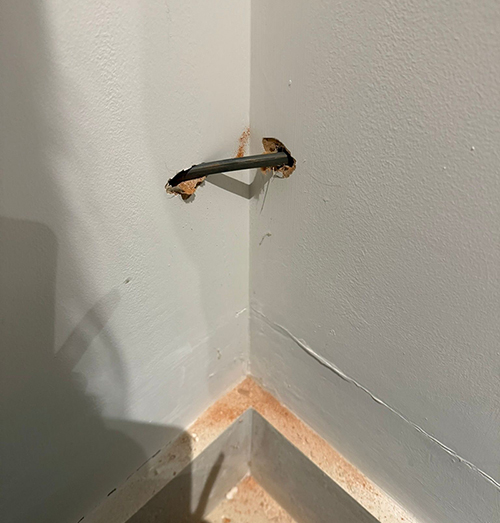
It’s also important to examine the condition of the installation wall and the layout of the area. The surface needs to be clean and as even as possible before panels can be fitted, to achieve a neat finish. Installers should also factor in any sockets, switches, corners or doors before cutting the panels.