The Government has announced a tax cut to remove VAT from domestic electricity bills from October 1 in time to impact the next Ofgem price cap. This immediate action applies and is funded for this financial year.
The cost of this immediate action for this financial year – taken now, before the next price cap – is being funded from the cancellation of the (£1.8bn) Digital ID programme.
The move will also reduce the ratio between electricity and gas prices from 3.6 to 3.4, Nesta’s analysis finds.
New Prime Minister Andy Burnham said:
“Westminster has not been working for people for too long, with families struggling with the cost of living.
“That needs to change. I said I wanted to give people breathing space, and that’s what I’m announcing on my second day as Prime Minister.
“We’re taking immediate action to cut taxes on energy bills, put more money in people’s pockets and bring back hope.”
Cutting VAT on electricity bills is expected to take around £45 off the yearly Ofgem price cap in October. This is on top of the £150 removed from bills at the last Budget.
By targeting electricity bills, more people will be supported with rising bills and the government is helping to keep inflation down.
All suppliers are expected to pass the VAT reduction on to all customers, including those on fixed tariffs, as they did with the £150 of costs taken off energy bills announced at the last Budget.
Small businesses who qualify for the domestic energy VAT relief and are not registered for VAT, as well as charities and residential care homes eligible for the reduced rate will also benefit.
Andrew Sissons, director in sustainable future at Nesta, added:
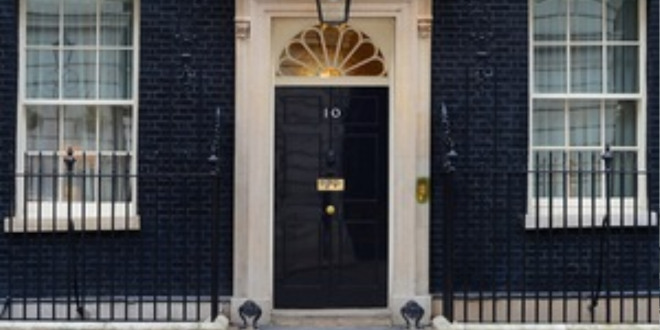
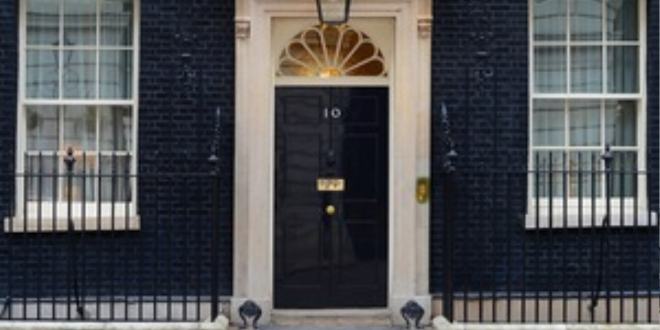
“It is positive that Andy Burnham has kicked off his time in Number 10 by cutting electricity costs and making decarbonisation a bit easier. Dropping the 5% VAT rate on electricity bills delivers immediate relief to households struggling with day to day costs and narrows the gap between electricity and gas prices that discourages people from switching to clean heating and cooling technology. This first energy reform will be funded over the crucial winter period and up until April, so November’s Budget would be the right opportunity for the new Chancellor to set out a wider and more long-term set of reforms to reduce electricity costs.”
James Chaplen, Head of Product Marketing and Communications, Mitsubishi Electric, commented:
“The cut to VAT on electricity bills from October is a welcome step towards encouraging households to make the switch to heat pumps and to move away from gas boilers.
“This reduction in the cost of electricity will be welcomed by many households. By rebalancing and narrowing the gap between the price of gas and electricity makes the transition to renewable home heating more affordable.
“This is a positive step to addressing the fundamental problem of electricity being more expensive than gas per kilowatt hour. Importantly, it also reduces the UK’s reliance on fossil fuels and improves energy security in the long-term.
“Miatta Fahnbulleh’s appointment as Secretary of State for Energy Security and Net Zero is also encouraging. Her understanding of the Department’s work and what can be achieved through the successful decarbonisation of buildings puts her in a strong position to help accelerate the transition to low-carbon heating, and support the electrification of society and the economy.”
Additional information
- This VAT cut, from 5% to 0%, is estimated to reduce CPI inflation by around 0.10 percentage points and RPI by around 0.14 percentage points.
- This action is estimated to cost around £850 million in 2026-27 on the basis of estimated electricity prices. Updated costs will be set out at Budget.
- We are funding this through the cancellation of the Digital ID programme, which was going to cost £1.8bn over the next three years. Savings were due to be identified from within existing budgets through reprioritisation, which will now be redirected towards this measure. Any further action, including on funding for longer-term measures, will be taken at the Budget, and all decisions at that point will be funded and also consistent with the government’s fiscal rules.
- The government expects all suppliers to pass the VAT reduction on to all customers, including those on fixed tariffs, as they did with the £150 of costs taken off energy bills announced at the last Budget.