Andrew Gaved talks to Adam Foy about why the heating transition needs consistency, confidence and innovation, and why great products will only ever be as good as the service that surrounds them.
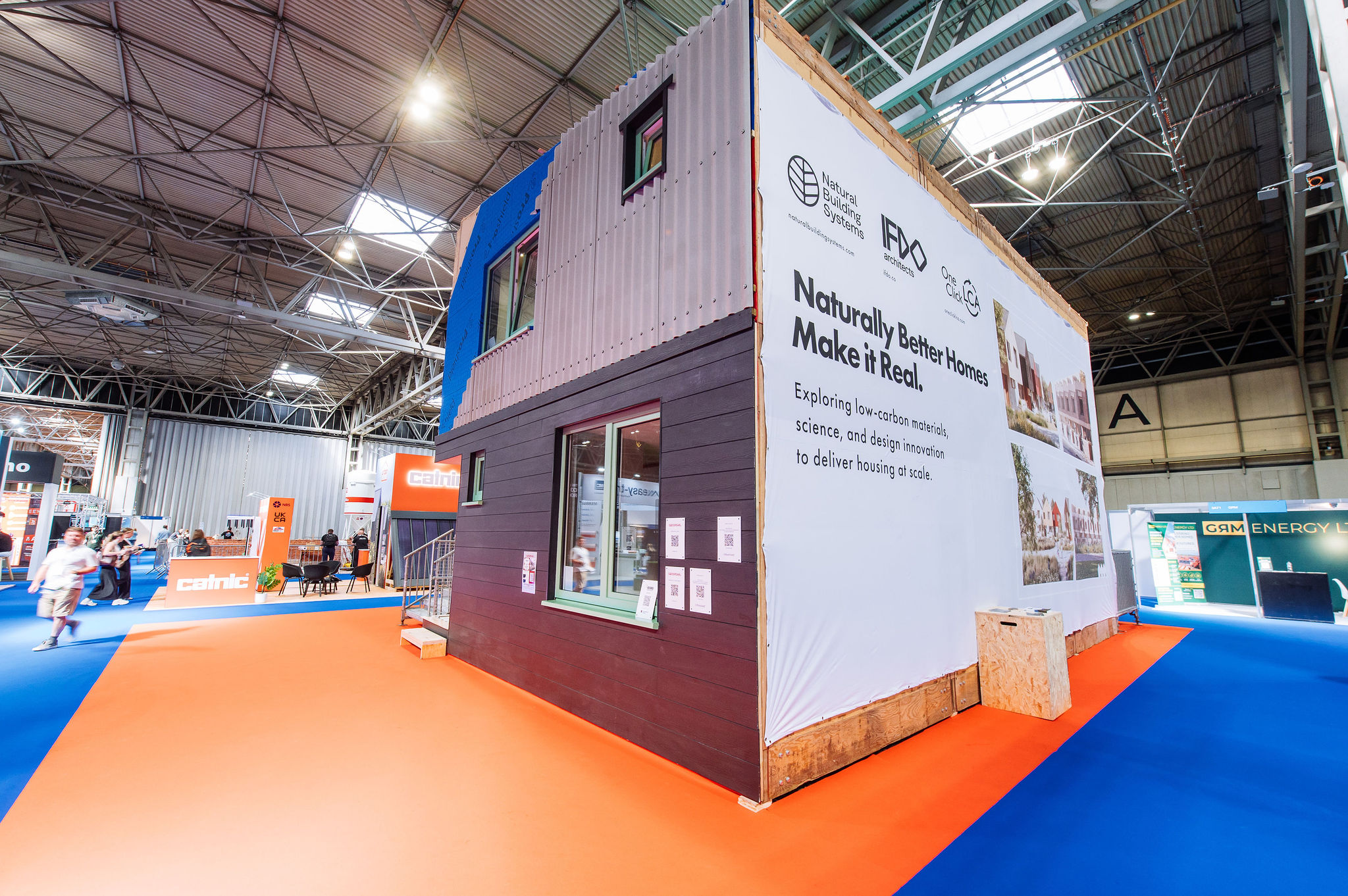
The CEO of Groupe Atlantic UK & ROI, is at InstallerSHOW and wants to hear what installers are talking about, see where manufacturers are placing their bets and, just as importantly, seek out some of the smaller businesses trying something different.
“There are always interesting smaller exhibitors here,” he says. “They often have ideas or are approaching problems in ways we don’t necessarily see every day. I like seeing what’s new, what installers are responding to and getting a sense of the mood of the industry.”
And right now, that mood is one of opportunity tempered by uncertainty.
Consistency matters
Speaking against a backdrop of political change, Adam is clear about what he would like to see from government: consistency.
“The industry needs growth. We’ve had a few years of tough trading conditions, and we need consumer confidence back,” he says. “Political uncertainty doesn’t just affect regulation or policy; it affects confidence and ultimately the growth of the market.”
That matters particularly when manufacturers are investing significantly in new technologies, manufacturing and R&D against a market that has not developed at the speed many originally predicted.
“We’re launching new products and investing a lot of money in R&D, so having a consistent direction is important,” he says.
But Adam is equally clear that policy can only take the industry so far. Ultimately, homeowners will have a significant say in how quickly the heating transition happens.
“We have boilers and we have heat pumps, so we’ll go with the market as it changes,” he says. “Our job is to make sure we’re ready to support installers and consumers whichever route is right for them.”
It is a characteristically pragmatic view.
Ideal remains committed to its boiler heritage while investing heavily in low-carbon heating. Its £60 million transformation in Hull spans manufacturing, distribution and R&D, while its approach to heat pumps has deliberately extended far beyond developing the technology itself. That complete ecosystem, encompassing training, system design, UK manufacturing, installer support and aftercare, was recognised this year with a King’s Award for Enterprise for Innovation.
The product is only the beginning
For Adam, that wider infrastructure is crucial.
“The key message for installers is that we believe service is fundamental,” he says. “That’s true for boilers, but it becomes particularly important for an installer doing their first few heat pump jobs.
“They need to know that when they get to site, we’re there behind them. That might mean training beforehand, technical support during the installation or somebody to speak to if they encounter something they haven’t seen before.”
It is a philosophy that comes directly from Ideal’s experience in boilers.
“Heat pumps themselves aren’t immature technology. They’ve been used across Europe for years. What is newer in the UK is consumer familiarity and, for some installers, experience of installing them.
“That’s why wrapping service around the whole process is so important. It’s what we’ve done with boilers for years. The technology changes, but that principle doesn’t.”
Ideal’s approach increasingly extends throughout the life of the system. The company has technical support, field engineers and training through its Expert Academy, while its latest Lifetime Warranty proposition for Logic Air heat pumps combines annual servicing, ongoing warranty and manufacturer support. Importantly, installers can choose whether to retain the servicing relationship themselves or offer manufacturer-backed ongoing care to their customers.
For Adam, that ability to stand behind the installer is increasingly important.
“An installer recommending a heating system is putting their own reputation behind that recommendation,” he says. “Manufacturers have to ask themselves: what are we doing to support that installer once the product is on the wall or outside the home?”
It’s something Ideal has put significant focus on. Its customer service was independently rated 9.44 out of 10 this year by Investor in Customers, with the company particularly recognised for customer understanding, trusted relationships and the breadth of support channels available.
Don’t underestimate installers
Adam is also keen to challenge one of the recurring narratives around the transition: that Britain simply doesn’t have the installer skills required.
“I don’t think the skills shortage is as big as people sometimes suggest,” he says. “The skill level already within the installer base is high.
“We’re not taking somebody from a completely unrelated trade and asking them to become a heating engineer. We’re helping highly skilled heating engineers adapt their existing knowledge to a different technology.”
That distinction matters.
He expects installer participation in heat pumps to increase naturally as the market itself grows, particularly through new build and other sectors where adoption is accelerating.
“As installers get hands-on with the products, that confidence builds pretty quickly,” he says. “The technical ability is already there. Our responsibility as a manufacturer is to make sure the training and support are there alongside it.”
It is why Ideal has invested heavily in its Expert Academy network and wider heat-pump infrastructure. Adam sees installer confidence and consumer confidence as intrinsically linked, an idea that runs through Ideal’s wider low-carbon strategy. As previous work from the business has put it, installers are increasingly the “translators of the energy transition”, turning policy and technology into practical conversations in customers’ homes.
Innovation isn’t finished
Ask Adam what excites him technologically, however, and he is quick to resist the temptation to talk only about heat pumps.
“I don’t believe gas is dead,” he says. “There is still innovation to come in boilers, and they remain important for the UK market because not every home is ready for a heat pump.”
At the same time, he clearly relishes what is happening in heat-pump R&D.
“There’s a real buzz around the R&D teams,” he says. “We’re looking at how you make outdoor units smaller, how you make systems more intuitive and how you create an experience that feels much more familiar to the homeowner.
“Not everything we work on will come to market – that’s the nature of R&D. But one idea breeds another, and eventually that thinking creates the next generation of products.”
He believes aesthetics could become one of the industry’s next battlegrounds.
“The outdoor units used to be pretty big. They’ve become smaller and we’ve made huge progress on noise. I think design is going to become increasingly important next.
“If something is going to sit outside somebody’s home, they’re going to care what it looks like. Walk around InstallerSHOW today and there’s still quite a lot of similarity – different colours, different grilles – so perhaps the next step is for somebody to rethink what an outdoor unit can look like.”
Service will separate the leaders
Yet for all the excitement around technology, Adam finishes where he began: with the customer and the installer.
“We recognise that the products that succeed will be the ones consumers want in their homes and installers want to fit,” he says.
“So, yes, the product must be excellent. We’re never going to compromise on that. We want to manufacture great products here in the UK, for the UK market, and keep innovating across both boilers and heat pumps.
“But I still believe service wins.
“The manufacturers that stand out will be the ones that can wrap the right training, technical expertise, warranty, aftercare and people around those products, before the installation, during it and for years afterwards.
“That’s how you build confidence. It’s how you build trust. And ultimately, I think that’s how you lift yourself above the rest.”
Find out more at: https://idealheating.com/