Heavy rain can be as damaging to a condensing boiler as extreme cold if the proper precautions are not taken. Martyn Bridges, Director of Technical Services at Worcester Bosch, explains:
In some cases, wet weather can be more costly and burdensome than cold weather, because flooded boilers cannot be repaired. The damage done to a boiler through rainwater can also void any guarantees an installer may have with their supplier.
The domestic heating community has done a great job raising awareness of the importance of protecting a heating and hot water system against extreme winter weather, particularly the cold, but it’s important to remember that, in the UK, a wet Christmas and New Year is more likely than a white one.
Heavy bursts of rain place greater strain on the domestic drainage system, which can lead to water being diverted back into the internal pipework of the house. This is exacerbated if pipework and filters become clogged with leaves and debris.
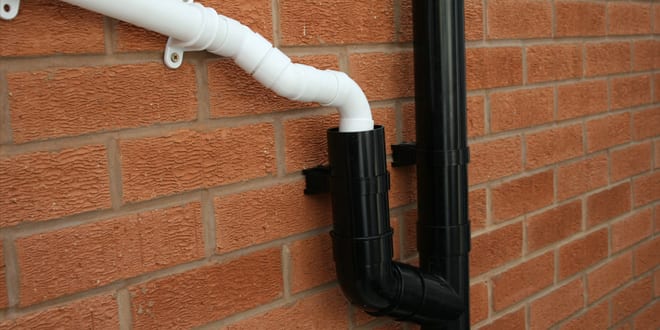
Condensing boilers can be at particular risk of flooding. Condensate pipes can terminate at the rainwater downpipe, providing the pipe terminates to the foul wastewater system. If this becomes blocked or overflows, there is a strong chance of water backfilling into the condensate pipe and, subsequently, the boiler.
The damage done to a condensing boiler is irreparable and a replacement will usually be required.
With this type of termination, it’s vital that you fit an external air break into the pipework before it enters the vertical rainwater pipework. This separates the condensate outlet of the boiler from the drain pipe connection, which means that water won’t flow back into the condensate pipe, even if the downpipe becomes blocked.
It’s a simple solution to a potentially big problem, and will help to protect heating and hot water systems right the way through the winter months.
Heat Pumps
As for heat pumps, they are purposely designed for external siting so generally can withstand most things.
The only concern with heat pumps is the accumulation of leaves, particularly in the autumn. Leaves can get into the fan area of the heat pump which obviously isn’t great for its efficiency and general working.
In parts of Europe, they are more concerned with snow and drifts of snow blocking or restricting the fan area. Something which the Worcester unit can counteract more than most as the unit is more a portrait-type design rather than the more typical landscape design.
The fan on the Worcester unit is around 2ft off the ground so it would take a considerable snowfall to restrict this. With a Landscape design, the fan is a lot closer to the ground therefore leaves and snow are more of an issue.
For more information, please visit Worcester-bosch.co.uk.
Note: This article was originally published in 2017, and updated in January 2023.