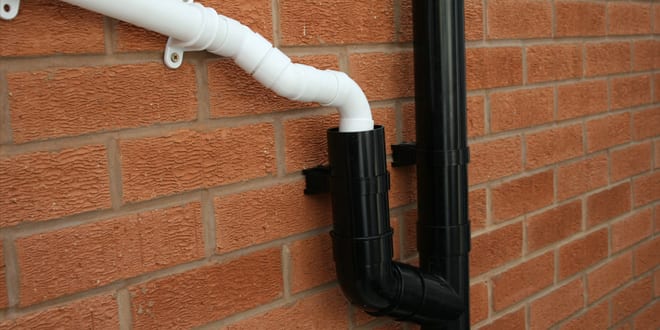
Installers are under increasing pressure to consider every component of a heating system to enhance performance and minimise the risk of unexpected call outs during the colder months. As a result, functions such as condensate management, which can often be overlooked as a smaller part of a wider network, must be addressed to deliver long-term reliability. Andy Thompson, national sales manager for plumbing and heating at Wilo UK, discusses why condensate management is important and the costly consequences that can arise when it’s not considered.
Condensate is produced as a natural by-product of condensing boilers. As a mildly acidic liquid, it must be safely removed to protect not only the boiler itself but the pipework and surrounding building fabric too.
Poorly designed or improperly installed drainage can restrict the flow of the condensate, which causes it to build up and contribute to corrosion, leaks, premature equipment failure and costly callouts.
In the coming months, installers should be especially mindful of frozen or blocked discharged pipework. If condensate cannot discharge correctly, the boiler may lock out as a safety measure or require intervention, causing disruption to heating and hot water supplies. This then increases the likelihood of avoidable service visits and emergency callouts during the busiest time of the year.
Common causes of condensate problems
In many cases, condensate-related faults can be traced back to inadequate drainage arrangements or poorly planned discharge routes.
External pipework is particularly susceptible during the winter months. Extended pipe runs exposed to low temperatures are at greater risk of freezing, preventing condensate from draining effectively. Blockages caused by dirt, debris or sludge can also impede flow, increasing the likelihood of system interruptions and boiler shutdown.
Pipework design is another key consideration. To ensure reliable operation, condensate pipes should be installed with sufficient fall to support gravity drainage. Where the gradient is inadequate, condensate can collect within the pipework, leading to stagnation and an increased risk of blockages. Long pipe runs and multiple changes in direction can further hinder flow and make routine maintenance more difficult.
Where possible, condensate should discharge into a suitable internal gravity drainage point. When external pipework cannot be avoided, installers should follow the latest industry guidance as well as the boiler manufacturer’s recommendations on pipe sizing, insulation, sealing and termination.
In installations where gravity drainage is not practical, a condensate pump plays a critical role in maintaining reliable discharge. However, an incorrectly specified unit, poor installation practices or pump failure can compromise system performance and expose the boiler to many of the same issues associated with inadequately designed pipework.


The advantage of condensate pumps
Condensate pumps support effective condensate discharge and minimise the risk of accumulation by actively transporting condensate to an appropriate discharge point.
The equipment gives installers greater flexibility when planning heating systems. Unlike pipework which relies on gravity fall, pumps enable the boiler to be positioned in a more suitable location within the property, even when convenient nearby drain is unavailable. It can also reduce the need for long external pipe runs, preventing the problem of freezing and allowing condensate to be routed to the most appropriate discharge point. This can be particularly beneficial where space, access or existing drainage arrangements would otherwise restrict the installation.
Modern solutions such as Wilo’s NovaCON are designed for compact installation and effective condensate removal. The condensate pump features integrated level monitoring, overflow protection, a non-return valve and a potential-free alarm contact. These provide monitoring and protective functions that can signal a fault or shut down compatible connected equipment before tank overflow, subject to correct installation and system compatibility.
Protecting boiler performance
As temperatures fall and demand for heating increases, installers should prioritise effective condensate management at the design and installation stage. Although it may appear to be a small part of the system, ineffective drainage can have significant consequences for reliability, continuity of service and maintenance costs.
Discover more about Wilo-NovaCON.
Continue reading — it's free
Register for free to unlock exclusive Installer content.