Underfloor heating (UFH) systems are becoming increasingly popular as part of the overall drive to make homes more energy efficient and move to low temperature heating systems.
James Griffiths, Head of Projects at GF Building Flow Solutions highlights the important factors to consider during installation that will help to ensure the system performs as intended in the long-term.
Part L & The Future Homes Standard
Given the climate crisis, the UK has a target to reach net zero by 2050, and consequently legislation is changing to adapt the way in which we heat our homes. The added benefit of a more environmentally friendly approach is the reduction in energy costs, something many households are struggling with.
It is worthwhile familiarising yourself with the legislation. Part L of the Building Regulations was last revised in 2022. Since then, new build houses are required to produce 31% lower CO2 emissions compared to the 2013 requirements and new heating systems must be designed with a maximum flow temperature of 55°C.
In fact, both Part L and the Future Homes Standard emphasise the need for low-temperature heating and whilst there are options such as solar and thermal, heat pumps are a real focus for the UK. However, traditional radiators simply do not work well with heat pumps – given the need to significantly increase their size to achieve the desired heat output.
Alternatively, UFH systems have a larger surface area, which will distribute an even spread of heat across the entire space and operate at a lower flow temperature (35°C to 55°C), so it is an ideal option to pair with heat pumps. You also need to remember that to comply with Part L, UFH systems must be equipped with suitable controls.
Wet or dry installations
As long as they meet the necessary energy efficiency requirements, both wet and dry UFH systems comply with Part L. Wet and Dry installations have different functions so choosing the correct type for the project is key. Dry systems are ideal for retrofits as they offer minimal disruption and installation time is reduced. Additionally, systems such as the Uponor Siccus 16 don’t require additional layers so flooring can be laid directly on top without screed, meaning door frames, plug sockets, and more don’t need to be moved upwards.
Alternatively, wet installations are ideal for new build properties and extensions where floor heights can be adjusted. Wet UFH systems are particularly energy efficient compared to electric systems as they hold heat for longer periods of time and can be powered by renewable energy sources. A wet system should always be thoroughly pressure tested after it has been installed and before the floor has been laid.
Pipe material
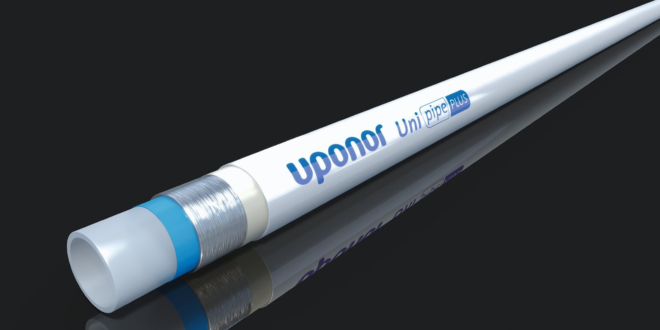
For UFH – the right choice of pipes is paramount, and reliability is top on the checklist to help avoid any issues that might require a return to site. Pipe material must be durable and easy to install. PEX pipe is made of cross-linked polyethylene and is a fantastic option to consider. Highly resistant to corrosion and scaling, the material’s flexibility also helps to ensure installation is quick and easy in even the most awkward of spaces. There are multiple variations of PEX pipe on the market, such as Uponor’s PEX-a Comfort Pipe.
When faced with heat pumps
While often overlooked, the choice of flow and return pipework that connects the main heat source, or heat pump unit to the heating system of the property can also have a substantial effect on the performance of the system. Look for pre-insulated pipe solutions that can help to ensure heat loss is minimised such as the Ecoflex Thermo Twin HP, which is designed specifically for heat pumps and can help optimise performance.
Quick and easy installation
For larger properties, an important consideration is time on site and budget. Product that is difficult to lay and requires multiple people can make scheduling more difficult and can raise the cost significantly. So where possible, and if using PEX pipes, opt for a pipe de-coiler as only one person is needed.
When it comes to existing properties that ideally want to incorporate UFH – installers will be aware of the challenges this can represent – but some of the latest systems have been designed specifically for retrofit projects. For example, the Uponor Siccus Mini and Siccus 16 are dry UFH system that can be laid over existing floors and is ideal for retrofit given its low profile of just 15mm. The added benefit is that the new top surface can be laid immediately without having to factor in any screed drying times, which means the job can be completed quickly and easily.
Training, advice, and support on site
When it comes to UFH and leaving customers with a reliable, well-designed, effectively installed system, the devil is in the detail, so it is clearly advisable to opt for high quality pipes and systems. It is also worthwhile selecting products from a reputable company that offer technical advice and support, along with enhanced warranties that help to give customers added peace of mind.
GF Building Flow Solutions offers a wide range of underfloor heating systems with a 25-year warranty as well as one-to-one design and installation support. To find out more, visit: https://www.uponor.com/en-gb/catalogue/radiant-heating-cooling
Continue reading — it's free
Register for free to unlock exclusive Installer content.