In 2027, kitchen design will be shaped by warmer palettes, increased use of natural materials and layouts that work harder for daily life, says Emily Newmarch, Design Consultant at Kitchens by Holloways.
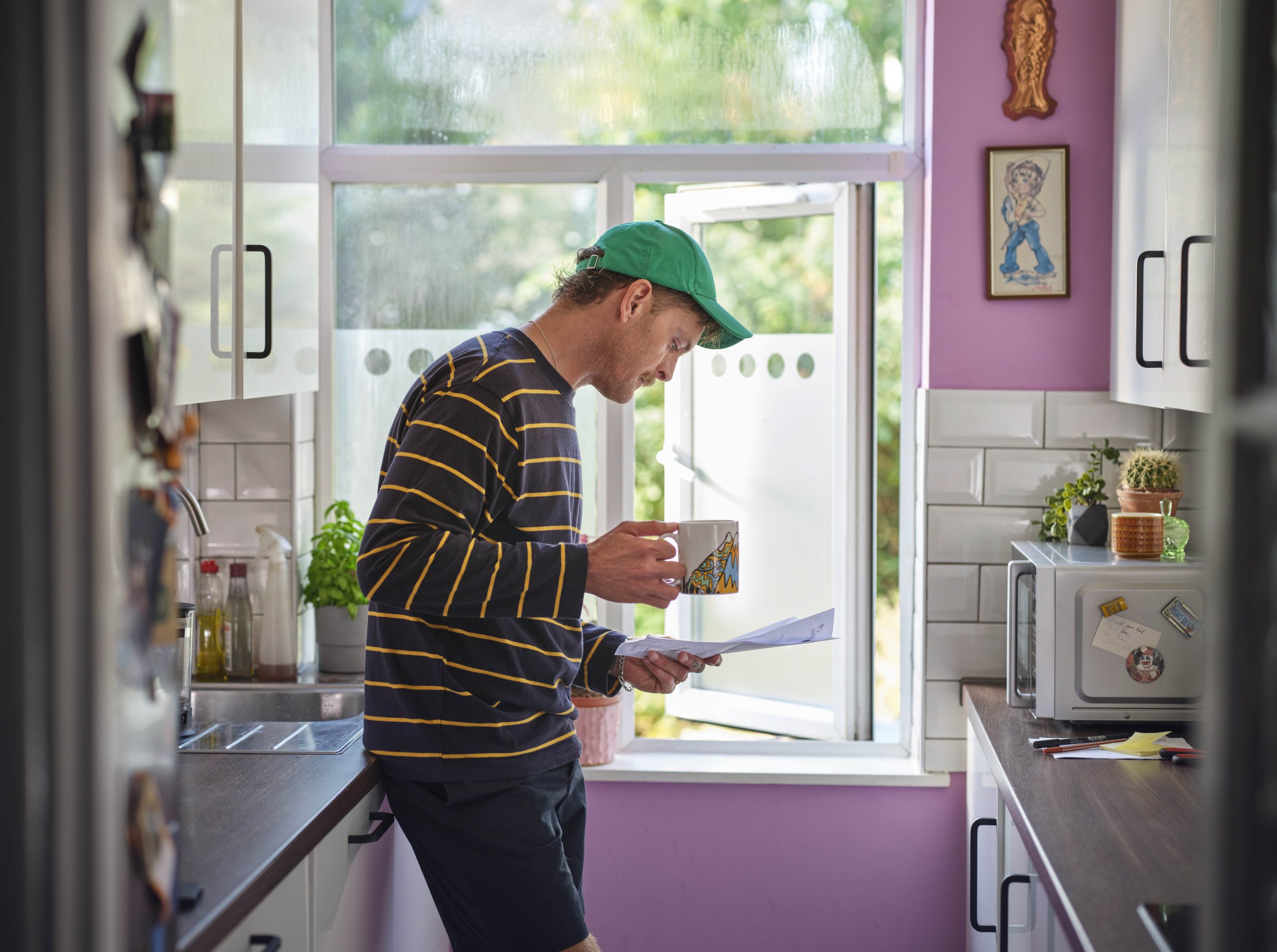
One of the clearest shifts for 2027 is the move towards warmer colour palettes and the shift away from cool tones like greys and whites. Homeowners still want kitchens that feel calm and easy to live with, but we are seeing an increase in people requesting more depth and richness from their colour schemes.
Brown, terracotta, burgundy, berry tones, green and earthy shades are becoming more popular. Thanks to the versatility of these colours, they are now being paired with warm, natural materials like timber and tactile surfaces via worktops, cabinetry, splashbacks and kitchen floors, rather than clean, minimalist materials which have before been preferred previously.
Wood finishes
Characterful, stained wood is becoming a key element of kitchen design in 2027, particularly when paired with painted cabinetry, creating a two-tone aesthetic.
A stained oak or walnut finish, especially for cabinet doors, offers a natural grain that adds subtle softness and texture to the kitchen, bringing the outdoors indoors. When combined with painted cabinetry in a complementary colour, it gives a kitchen balance. This works particularly well when clients split the main kitchen cabinetry run and the island into two different materials or to highlight key features such as pantry spaces or open shelving where stained wood is added via smaller detailing.
Semi-open spaces
While fully open-plan layouts remain popular, we have seen an increase in homeowners now asking for semi-open spaces that allow the kitchen, dining and living areas to feel connected but still have their own purpose and zone.
People still want light, flow and a sense of connection between rooms, but they also want spaces that can support different parts of daily life that are slightly more separated than a classic open-plan design. By introducing small partition walls, stud walls, glazed doors, pillars, steps or changes in flooring, any of these elements can help create different zones within the wider kitchen. This is especially important in family homes, where the kitchen might need to support cooking, homework, entertaining, dining and relaxing at different points in the day.


Multi-purposes spaces
Hidden functionality will continue to be a major focus in 2027. We are seeing prep pantries, breakfast cupboards, second kitchens, utility spaces and boot rooms being planned from the start of a project alongside the kitchen, rather than being seen as an afterthought.
There is still a strong desire for the kitchen to feel functional and uncluttered, but the demands of real life still need to be met. Homeowners need space and storage for everyday items such as appliances, food storage, laundry, pet items, coats and everyday clutter. The difference is that these functions are increasingly being built into the wider layout so they can work quietly in the background.
Details and textures
When it comes to the smaller details of a kitchen, texture remains at the forefront. From fluted cabinetry to tongue and groove panelling, reeded glass cabinets and warm metal finishes via lighting, splashbacks or hardware, these are all ways to add interest and depth to a kitchen.
Rather than fading into the background, these details are being added in statement locations within the kitchen. Opting for an entire island covered in fluted panelling, a reeded glass wall cabinet or a standout timber breakfast cupboard, each of these gives a kitchen more character while keeping the overall layout simple and practical.
At its core, kitchen design in 2027 will be about creating spaces that are easier to live with. Homeowners want warmth, storage, flow and flexibility. They want kitchens that look good, but they also want them to support the way they live every day.
The future of kitchen design is not about one single colour, finish or layout. It is about bringing the right elements together so the kitchen feels connected to the home and works properly for the people using it.