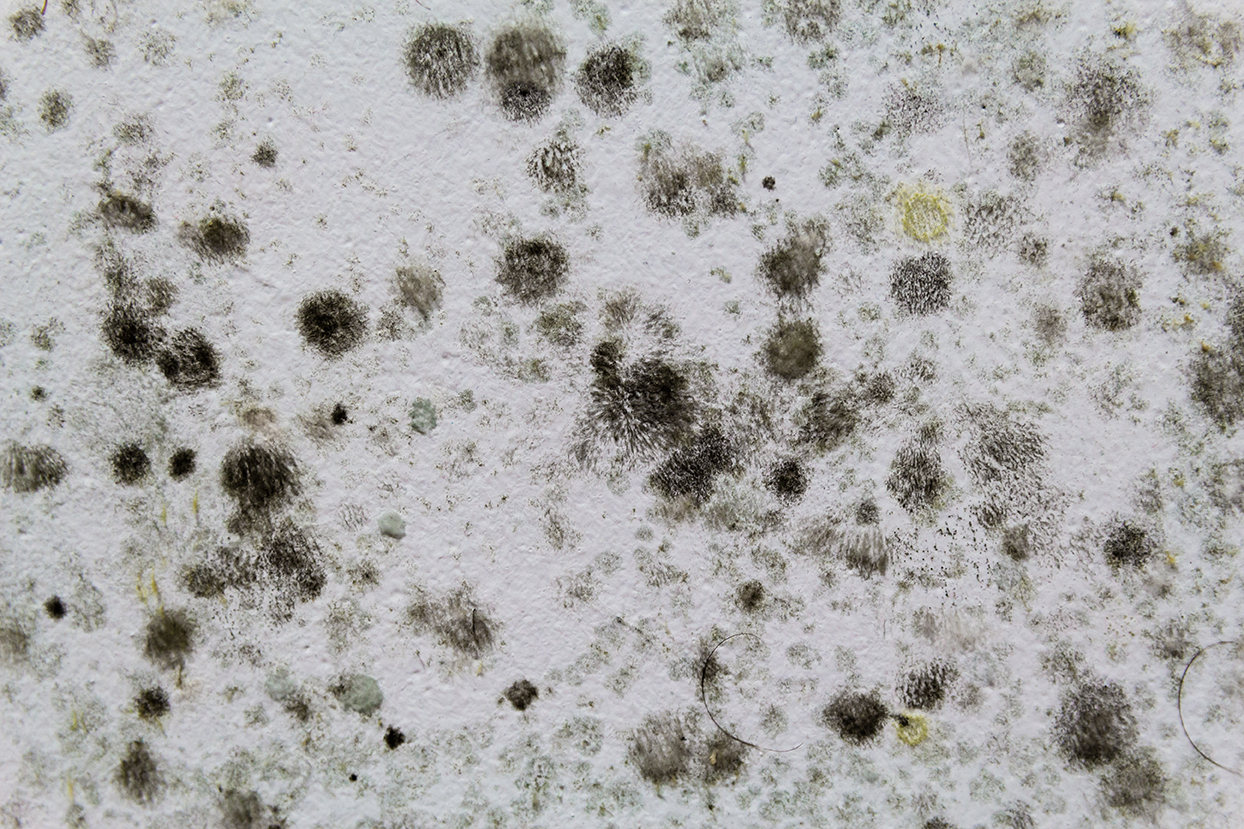
As temperatures drop, mould in UK homes begins to grow with 58% of people in the UK experiencing mould in their homes at some point in time.
Uswitch Energy has produced the Mouldy Nation Report where we looked at the prevalence of mould across local authorities, our experiences and feelings towards mould in our homes, and the habits that may be contributing to mould.
| Rank | Local authority | Region | Total complaints (financial years 2018/19 – 2022/23) | Estimated Complaints per 10,000 units (financial years 2018/19 – 2022/23) |
| 1 | Haringey | London | 134 | 46.6 |
| 2 | Hammersmith and Fulham | London | 125 | 46.4 |
| 3 | Lambeth | London | 210 | 41.0 |
| 4 | Lewisham | London | 112 | 28.2 |
| 5 | Camden | London | 90 | 25.6 |
| 6 | Newham | London | 87 | 25.5 |
| 7 | Westminster | London | 70 | 25.2 |
| 8 | Southwark | London | 142 | 24.9 |
| 9 | Islington | London | 102 | 24.0 |
| 10 | Thurrock | South East | 29 | 23.2 |
(Most damp and mould complaints made to the Housing Ombudsman per estimated 10,000 housing units for financial years 2018/19 – 2022/23)
Of the top ten local authorities that were complained about relating to mould or damp, nine were in London. Haringey received an estimated 46.6 complaints per 10,000 housing units making it the most complained about local authority to the Housing Ombudsman.
Key findings from the study:
- 63% of those who’ve experienced mould were tenants in privately rented, local authority, housing association, or student accommodation.
- In the last two years, 69% have put the heating on less due to cost.
- Of these people, over half (54%) believe that mould has become more of a problem in their homes because of this.
- 67% of people believe that mould is the landlord’s responsibility when found in rented accommodation.
- Heating the home was a financial struggle for 57% of people when they experienced mould in their home.
- 38% believe that UK properties are not suitably built to prevent mould.
How to prevent mould
For those with mouldy homes, we discovered the percentage of people doing simple things around the home that may have contributed to mould growth. Try to avoid the following to prevent mould from growing in your home.
Ben Galizzi, Uswitch energy expert, commented:
“Living in a mouldy home is not only an unpleasant experience but one that is potentially dangerous for our health. Yet so many of us have lived with mould at some time in our lives.
“Whether you’re a tenant or homeowner, tackling mould can be an ongoing issue if the root cause isn’t rectified. But with so many properties being poorly insulated, and energy costs rising, keeping mould at bay is a difficult task.
“Reasonable steps should be taken by both landlords and tenants to make sure mould is tackled head-on. This could mean that tenant habits need to change within the home, whilst larger projects to fix the building are worked on by the landlord.
“Keeping a home warm, especially in winter, will help tremendously with preventing mould, so compare energy deals to see if there might be a suitable fixed tariff on offer that you could switch to.”
Methodology
- An FOI was sent to the Housing Ombudsman asking for a breakdown of complaints about mould/damp and leaks/flood in English local authorities by year for local authority and housing association-run properties. Data returned covered Financial Years 2018/19 to 2022/23 for mould damp and 2018/19 to 2021/22 for leaks/floods.
- To compare this to the number of properties, 2022 data from the Regulator of Social Housing was taken on the number of LARP (local authority-run) and PRP (privately-run, including housing association) properties to provide an estimate of the number of complaints per property.
- Data on % of properties with damp/mould was taken from the English Housing Survey.
- 2004 adults in the UK were also surveyed on their experiences and opinions on mould between 06/11/2023 and 08/11/2023.