Changing social demographics are having an impact on the traditional family home with many households now containing multiple generations. Chris Tranter – Product Manager for commercial products at Bristan – discusses some of the options for bathroom design for multi-generational living.
Due to various economic factors, multigenerational living (or ‘the 3G lifestyle’) is becoming increasingly commonplace throughout homes in the UK. This is partly caused by adult children returning to the family home after graduation, a phenomenon dubbed the ‘boomerang’ generation, with 45% of all graduates reportedly moving straight back to their parents’ home after university.
What’s more, with increases in the cost of residential care, many families are opting to care for elderly residents at home. This has resulted in over 500,000 households having at least three generations living under one roof – and that number is expected to rise to 556,000 by 2019, due to an increase in the number of people aged 85 or over.
With different generations under one roof, it is inevitable that some users will find conventional bathroom products difficult to operate and control – for example, elderly people or those with disabilities or reduced mental capacity or mobility, who may be unable to react appropriately, or quickly enough, to prevent injury.
This means that now, more than ever, there is a greater need for family homes that facilitate independent living for all residents. It is imperative, then, that installers recommend appropriate taps and showers in order to reflect the widened scope of potential occupant needs.
Wetrooms
A key priority in designing a bathroom that will appeal to all generations is avoiding institutional overtones, while providing a safe bathing experience. And, taking a lead from residential care facilities, showers are often the best option.
When adapting existing properties, a shower room can offer an attractive solution.
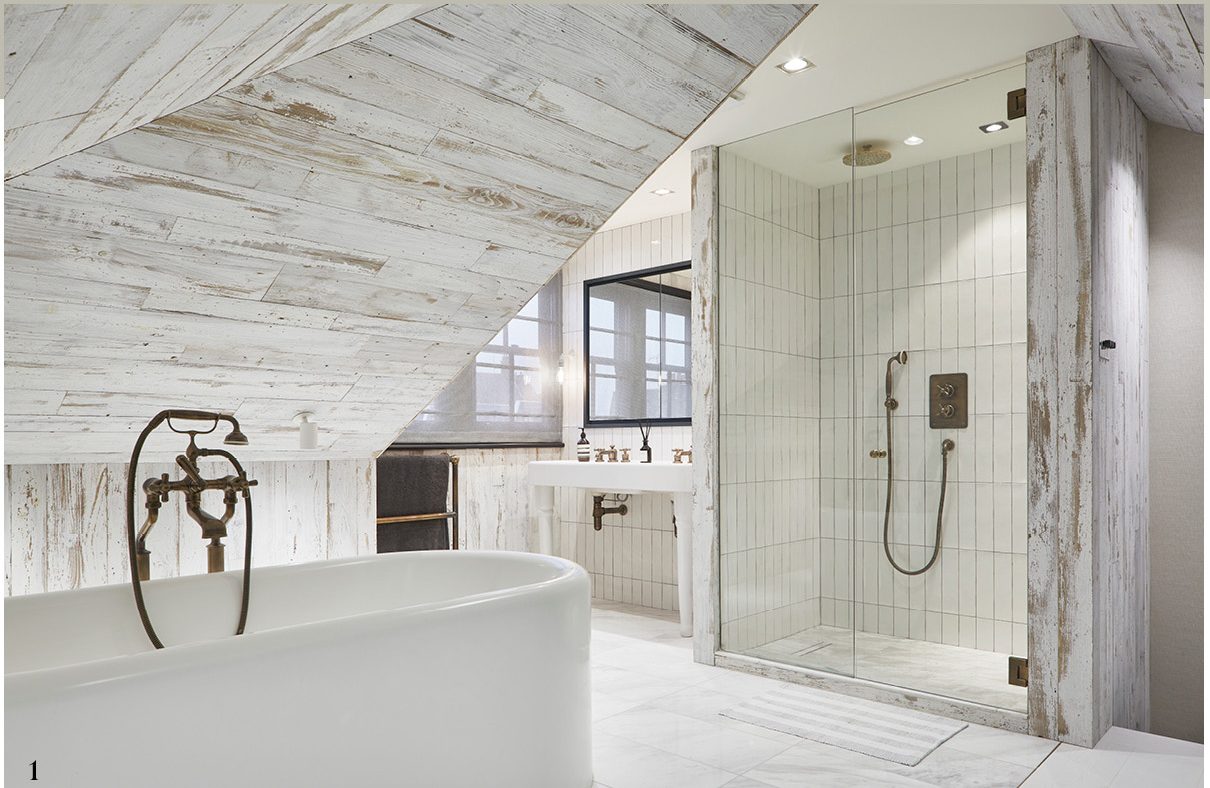
A level-access shower or wetroom can overcome many of the difficulties posed by limited mobility, while modern lifestyles mean that many prefer a shower over a bath. Furthermore, considerations such as energy and water saving definitely put the emphasis on showering.
For example, a downstairs walk-in shower room provides a valuable additional facility and in refurbishments of existing properties, there may be opportunities to convert cloakrooms or ‘steal’ space from an integral garage. Some homeowners might also be open to the idea of replacing the family bath with a large shower enclosure with level access, creating a bathroom that is on-trend as well as practical. Driven by style rather than need, wetrooms have grown in popularity and would be seen by most as a desired enhancement to a home rather than a reluctant adaptation.
Showers
Having established the principle of the shower room as a key feature of the 3G home, the next step is to consider the detail. Fundamental to a shower room is, of course, the shower. With older people and young children in mind, it’s important to have a shower that can be used safely and easily by people with different abilities. Showers designed specifically for the care market have been available for some time, but many would probably not be considered to be a desirable feature for a domestic property.
However, manufacturers are now offering cross-over products – showers that are designed to a professional care standard, but with aesthetics to match the most stylish of domestic showers.
Electric showers are popular in domestic installations, feeding only off the cold water supply and so running independently of the hot water system. However, while domestic electric showers are likely to have temperature regulation features, water temperatures over the accepted safe level of 44°C may still occur if there are fluctuations in flow or pressure.
Scalding is a very real danger for vulnerable people – children, the elderly or people with disabilities – and can occur in just five seconds. Electric showers can pose a risk of scalding if water is drawn off from another outlet – even if a maximum hot water temperature has been set.
The practical suggestion is, therefore, an electric shower with built-in thermostatic controls. The Bristan Joy Care is an example of a shower that has been designed to appeal to the consumer market while incorporating safety features that make it suitable for a care situation.
Installers should look for practical design features such as large, easy-to-move dials, raised markings and audible clicks when settings are adjusted, illuminated stop/start buttons, LED digital setting displays and contrasting back boxes.
Taps
In line with customer expectations, installers are expected to deliver ever more attractive products and, beyond being purely functional, taps can help create bathrooms that are distinctive and on trend.
Fortunately, as well as stylish showers, there are a plethora of taps on the market that can be used safely and easily by people with different abilities, without compromises having to be made on aesthetics.
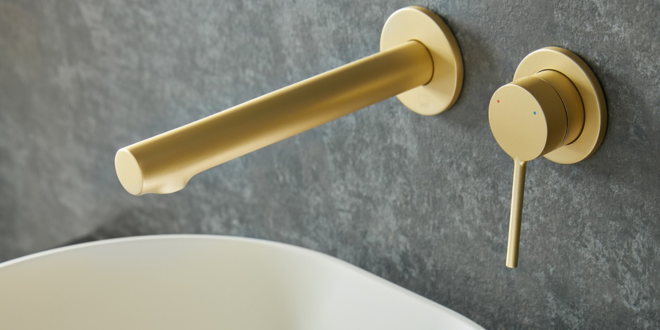
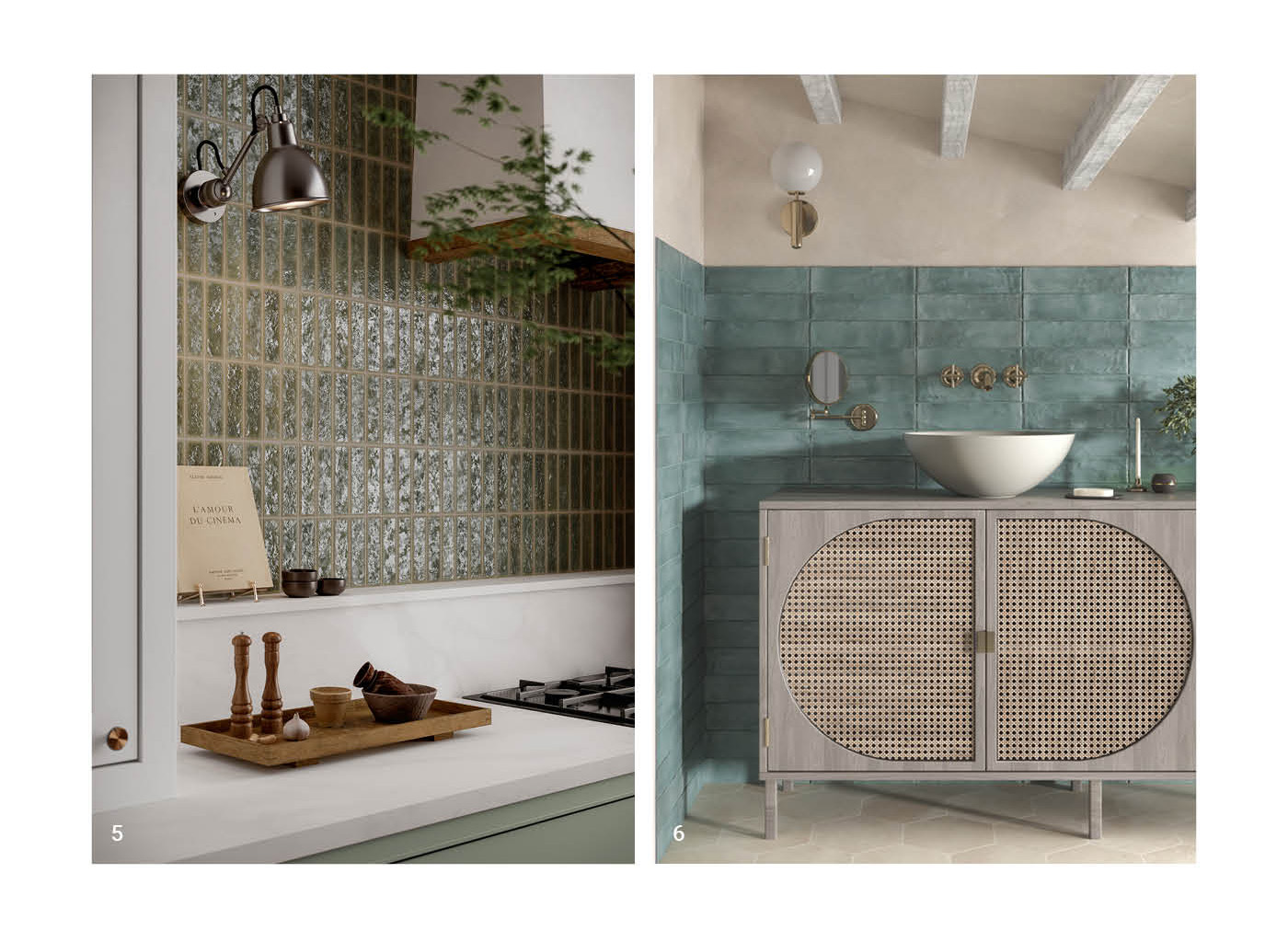
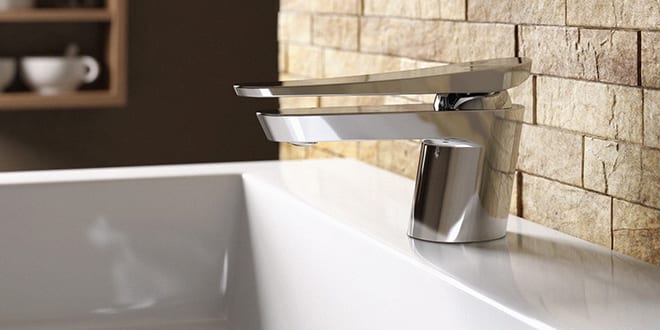
In multigenerational households, taps that feature long-handle controls are ideal as young children and the older generation can use them easily and safely. Equally, crosshead taps are especially well-suited for elderly members as they are a more familiar style and so are easier to use for those with memory issues.
Aspirations
As the UK population continues to grow and develop, changing the traditional concept of family living in the process, it is imperative that we accommodate every demographic.
Today, installers should be able to find products that meet physical needs while matching design aspirations – thereby ensuring their installations will be suited to users of all ages and capabilities.