With tighter rules and rising prices, cutting corners on water-saving products can end up costing installers and their clients more in the long run. Richard Braid, Managing Director of Cistermiser, take a look:
Across the UK, the drive to save water is intensifying. Under the Environment Act 2021, the government has committed to reducing average daily water use to 122 litres per person by 2038, with a further target of 110 litres by 2050. By mid-century, that could mean four billion fewer litres being drawn each day, a huge shift that will demand more efficient fixtures in every setting, from homes and hotels to schools and offices.
As regulations tighten, installers are under pressure to deliver savings without sacrificing quality and with end users now more alert to their water costs, the quality of those choices is coming under greater scrutiny. Choosing cheaper fittings or outdated controls can prove a false economy, leading to leaks, call-backs and spiralling long-term costs.
The cost of wasted water
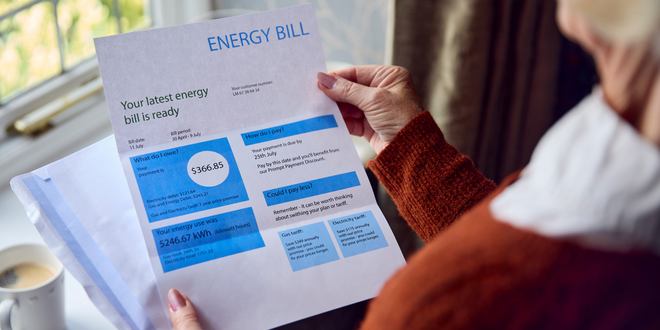
The Competition and Markets Authority recently approved significant increases to water bills, with five major suppliers raising charges by an average of 3% this year, on top of a previous 24% hike. Every litre now carries more weight, turning unnoticed leaks or inefficient flushes into hidden drains on both budgets and carbon emissions.
For installers, that’s an important talking point with clients. A few simple inefficiencies can add hundreds of pounds to annual costs, not to mention the environmental impact. The challenge lies in identifying where those inefficiencies occur and upgrading washroom products with high-quality, measurable water-saving solutions that deliver consistent performance over time. Reliable fittings not only cut consumption but also reduce the risk of leaks, failures and costly call-backs, helping installers demonstrate tangible savings while protecting their reputation for quality work. When reviewing potential upgrades, it’s worth prioritising products with proven flow rates, WRAS approval, and manufacturer data that shows clear savings per fitting.
Leaky loos
One of the most common sources of water loss is leaking toilets, most often caused by worn or degraded flush valve seals. Traditional flush valves sit below the waterline, making them vulnerable to debris and limescale that can prevent a proper seal. Over time, that can lead to continuous trickles of wasted water that often go unnoticed.
Cistermiser’s Easyflush EVO tackles the issue at its source. The dual-flush, sensor-activated system eliminates the need for a below-waterline seal, creating a leak-proof design that saves up to 146 cubic metres of water per toilet each year resulting in around £443 in reduced bills and around 0.05 tonnes less CO2. For facilities with multiple toilets, the savings are immediate and substantial.

Smarter flushing
Urinals are another major source of unnecessary waste, especially in older systems programmed to flush at set intervals regardless of use. A 7.5-litre cistern flushing three times an hour can use nearly 200 cubic metres of water annually, sending hundreds of pounds quite literally down the drain.
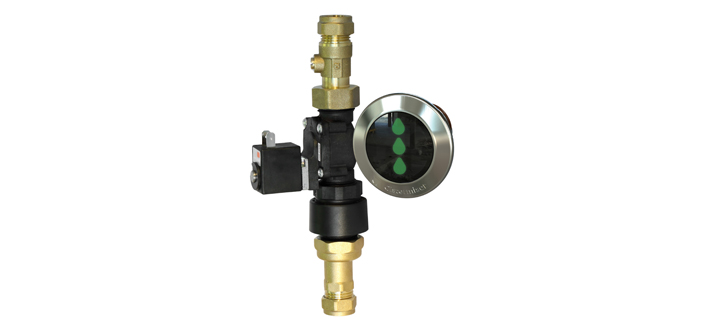
Cistermiser’s Direct Flush sensor system solves the problem with PIR technology that triggers flushing only when a urinal is used. It also performs an automatic hygiene rinse every 12 hours if the facility remains unused, ensuring cleanliness without waste. The result is up to 70% less water consumption – roughly 182,000 litres, 0.62 tonnes of CO2 and over £550 saved per urinal each year. For large washrooms or multi-site operations, the potential savings are multiplied many times over, helping businesses meet both regulatory and financial targets.
Tap into savings
Even small leaks add up quickly. A dripping tap can waste around 5,500 litres annually, while taps left running in busy washrooms can waste far more. Sensor-controlled models offer a straightforward upgrade, delivering water only when needed and cutting consumption dramatically. When specifying, installers should consider both flow rate and shut-off speed, as these two factors have a big influence on long-term water efficiency.
The Vecta+ range from Cistermiser, for example, dispenses water at 5 litres per minute and shuts off automatically after use. Compared with standard taps, each fitting can save around 161 cubic metres of water per year. Designed for high-traffic areas such as schools, hospitals and leisure centres, these taps are hygienic and cost-effective. With rising water charges, many installations see a payback period in around 10 months; being able to present that kind of return on investment makes the conversation about quality and performance a much easier one to have.
Investing in reliability
For installers, it’s important to pay close attention to how products perform over time, not just how they perform on paper. Low-cost fittings that fail to deliver will lead to costly replacements or leaks that undo any initial savings. The true economy lies in choosing solutions with a proven track record, supported by reliable performance data, giving installers and clients the confidence that their investment will deliver genuine, long-term savings.
With new environmental targets driving a nationwide push for efficiency, water-saving products are becoming an essential part of every project and installers are in a pivotal position to help clients balance compliance, performance and cost-effectiveness, turning water efficiency from a regulatory obligation into a business advantage.
For more information on water-saving solutions and how Cistermiser can help, visit www.cistermiser.co.uk.
Continue reading — it's free
Register for free to unlock exclusive Installer content.