InstallerELECTRIC explains how electric underfloor heating works, the benefits it offers and how electrical contractors can take advantage of this fast-growing sector.
Although it is often considered a modern technology, the origins of underfloor heating can be traced back to Roman times, when a ‘hypocaust’ used the hot air generated from burning fires located in a void between a building’s living area and its foundations to heat the area above. Although modern electric underfloor heating is far less labour intensive, the principle of heating the surface area of a floor is the same.
Trend setting
Electric underfloor heating has seen significant growth since the early 1990s, driven by its efficiency, versatility and comfort. As homeowners and developers increasingly seek more sustainable solutions, it offers a compelling alternative to traditional heating systems. It is particularly well-suited for newbuilds, refurbishments and renovation projects, offering flexibility in design and performance.
In certain countries it is now considered a mainstream technology that as well as being highly efficient, also provides added value. It is particularly popular in Scandinavian countries, where heating under tiled and wooden floors in lobbies, kitchens, bathrooms and conservatories is second nature. It is also typically cheaper to install than water based systems and requires little or no maintenance, as there are no moving parts like water pumps, valves and actuators.
Compare and contrast
When most of us think of a domestic heating system one of the first items to spring to mind is a radiator. Fixed to walls the length and breadth of the nation, radiators have long enjoyed a dominant position in the domestic heating sector but in more recent times their energy efficiency has been called into question. Their primary failing is due to being positioned on walls, as any heat generated moves in a vertical direction until it reaches the ceiling, where it accumulates until such a time when there is enough of it to reach the people in the room and warm them up.
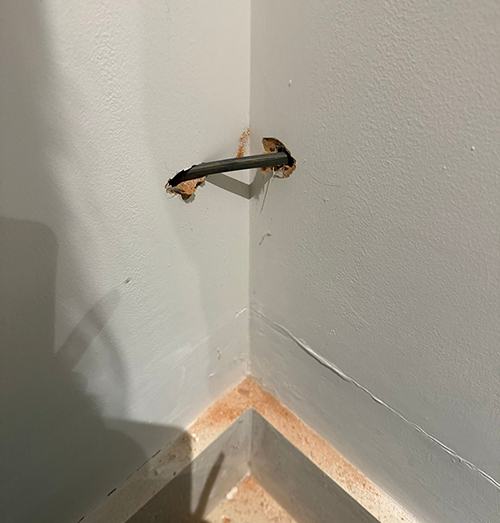
An electric underfloor heating system, on the other hand, heats a room completely differently. Fitted beneath the floor it delivers heat across the whole floor area with no cold spots – heating from the floor upwards. This method reduces heat loss and allows for lower operating temperatures while still maintaining comfort. When integrated with modern smart thermostats and programmable controls, electric underfloor heating can be operated precisely and efficiently, further optimising energy use.
Sizing it up
For electrical contractors, this presents an opportunity to take control of an entire heating installation. In newbuilds, electric underfloor heating can be seamlessly integrated into the initial design, allowing for more efficient routing of cables and zoning that matches the layout of the space. In refurbishment or retrofitting scenarios, particularly where floor height is a constraint, systems can be laid over existing subfloors or embedded within self-levelling compounds.
A range of formats are available that are specifically designed to suit different types of floor surface types. Mat based and loose wire systems are perfect for installation under ceramic, tile and natural stone, while foil systems are suitable for use with laminate, carpet, vinyl, engineered wood and other floating floors.
The overall heat requirement of a room will depend on its size and its heat loss characteristics, which can be calculated using the elemental method – individual calculations for heat loss through walls, ceilings, windows and the floor. Dividing the total heat loss by the floor area will give the heat requirement in W/m² and it is then easy to specify the amount and type of matting, foil or wire required.
Grand designs
Another compelling benefit is the design freedom that electric underfloor heating provides. Traditional radiators often limit interior layout options, requiring specific wall space and affecting furniture placement. With electric underfloor heating, all emitters are hidden beneath the floor, enabling a cleaner aesthetic and greater flexibility. This appeals particularly to clients seeking modern, minimalist interiors or those undertaking high end renovations where visual detail matters.
Market growth for electric underfloor heating has also been supported by broader trends in renewable energy integration. As more properties adopt solar PV panels, battery storage systems and heat pumps, electric underfloor heating systems align well with the goal of low emission homes. For electrical contractors, this opens the door to integrated service offerings by installing electric underfloor heating in tandem with other renewable energy technologies. This could include linking underfloor systems to solar PV powered circuits or managing demand response features via home automation platforms.
Skill sets
With electric underfloor heating systems, little or no additional training is required and qualified electrical contractors will already be aware of the methods, processes and skills necessary to succeed in this area. Familiarity with system selection, layout planning, load calculations, thermal insulation considerations and circuit protection means that contractors will be able to confidently design and install these systems to meet the required safety and efficiency standards.
Experience with smart thermostats and energy management systems will further enhance the value contractors can offer, while understanding subfloor preparation, insulation requirements and compatibility with various floor finishes ensures optimal system performance and customer satisfaction. Moreover, as the building regulations evolve to prioritise low carbon heating options, those who are already equipped with the knowledge to install and maintain electric underfloor systems will be in higher demand.
On the up
The outlook for the electric underfloor heating sector is a very positive one and its ability to provide exceptional levels of energy efficient heating for all types of environments means that it is fast becoming a solution of choice.
For homeowners, it offers comfort, efficiency and elegance, while developers and designers benefit from a low impact, high performance heating solution that aligns with sustainability targets and architectural goals. For electrical contractors, it presents a growing market segment that allows them to play a vital role in shaping the next generation of energy efficient and comfortable living spaces.