We all know the most urgent calls to heating engineers come in during the coldest months of the year. Lee Parsons, CEO of Arctic Hayes explains how portable heaters can help customers get through the worst while you get to the merchants:
A central heating system that isn’t working is more than just an inconvenience; for householders, it’s an emergency, particularly for vulnerable homeowners and social housing tenants. While installers work tirelessly to respond quickly, delays are inevitable during peak seasons due to high demand and the logistics of ordering essential materials, like the boilers themselves. But what happens to those left in the cold while waiting for repairs?
Keeping one or two portable heaters in the van at this time of year can be a game-changer. Being compact and easily transportable, they fit snugly into your vehicle, ready to be deployed to provide temporary warmth to customers.
Types of heater
Fan heaters are a popular choice for their immediate impact. They work by blowing air over a heated element, quickly warming a small space. This makes them ideal for rapid heat delivery, perfect for situations where an immediate increase in temperature is necessary. However, they can be a bit noisy and may not be the best option for larger rooms or for extended periods.

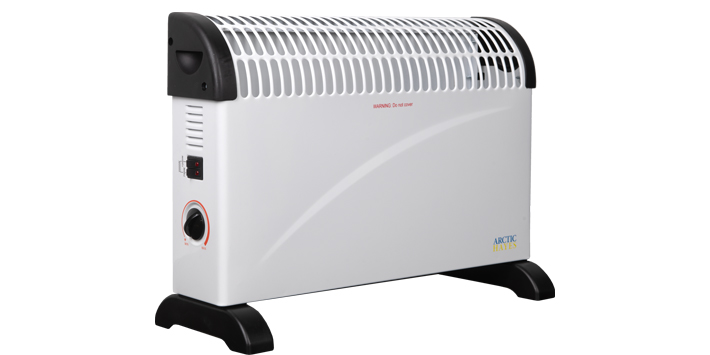
Convector heaters, on the other hand, are known for their quiet operation. They work by creating a convection current in the room, gradually increasing the temperature. This type of heater is well-suited to larger areas and can be more energy-efficient for prolonged use. For installers working in social housing or homes of the elderly, where consistent and quiet warmth is required, convector heaters are a sensible choice.
Oil-filled radiators are the heavyweights of portable heating. They operate by heating oil contained within the radiator which then circulates the heat across the room. The biggest advantage of these heaters is their ability to retain heat, providing a consistent temperature long after being switched off. They are perfect for long-term heating solutions, especially in scenarios where heating systems might take several days to repair. The downside is that they are heavier and take longer to heat up, but their efficiency and prolonged warmth outweigh these minor inconveniences.
While portable heaters are an excellent temporary solution, safety and efficiency are paramount. It’s crucial for installers to educate customers on safe operation, particularly regarding placement and supervision. Heaters should be placed away from flammable materials and not left unattended for long periods.
While installers work to respond swiftly to heating emergencies, portable heaters offer a practical solution for those interim periods. Being able to offer this service can greatly enhance the reputation of a heating and plumbing business. Providing a temporary heating solution demonstrates care and commitment to customer welfare, qualities that are remembered long after the repair is completed.
For more information about Arctic Hayes’ heater range please visit www.arctic-hayes.com.